
7 Ways to Bring Books Into Your Child’s Play
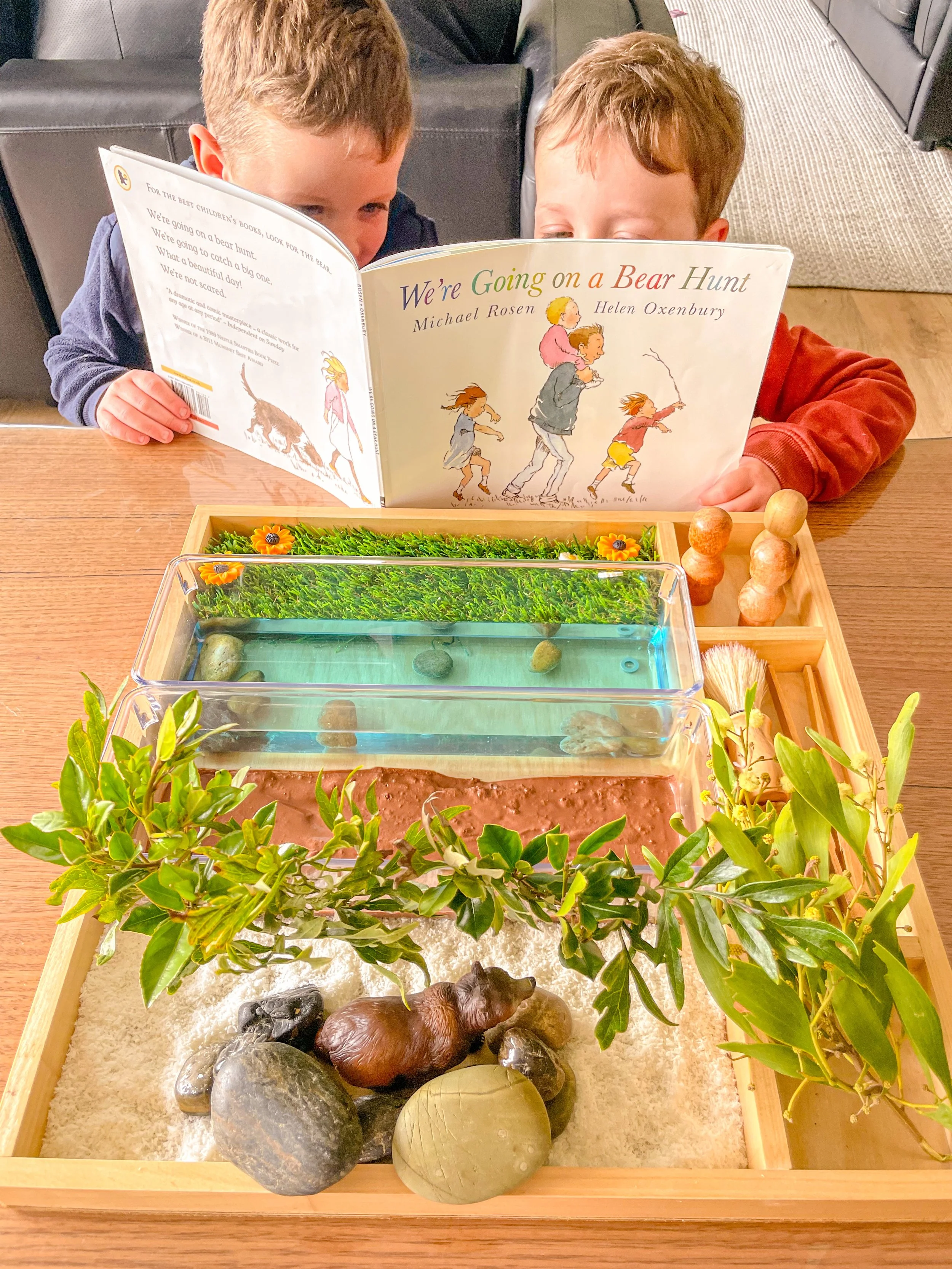
If we want children to love books, we have to actually let them have the books.
Not just the old ones we're happy for them to touch while the beautiful books stay safely on the shelf.
Give them the book. Let them carry it around. Put it beside the sensory tray. Take it outside. Let them flick backwards and forwards looking for the page with the whale, the digger or the funny bird they remember.
Yes, books might get bent. They might end up with slightly sticky pages. A toddler might even take a bite out of one.
But books are there to be experienced.
And one of the easiest ways to help children build a connection with stories is to bring those stories into something they already love doing — playing.
Build the world from the story. Make something inspired by a character. Take it outside. Add it to a sensory tray. Pair a book with their current obsession.
You can create an incredible, elaborate invitation to play because you love creating them, or throw something together in five minutes with what you already have. Both are wonderful.
And remember: there is no right or wrong way for your child to play with it.
You might carefully create a sensory setup inspired by The Snail and the Whale, only for your child to decide the whale is actually heading to a construction site.
That's okay.
The activity has already done its job. The book gave them somewhere to begin, and their imagination decided where to take it next.
Here are seven ways to bring books off the shelf and into their play.
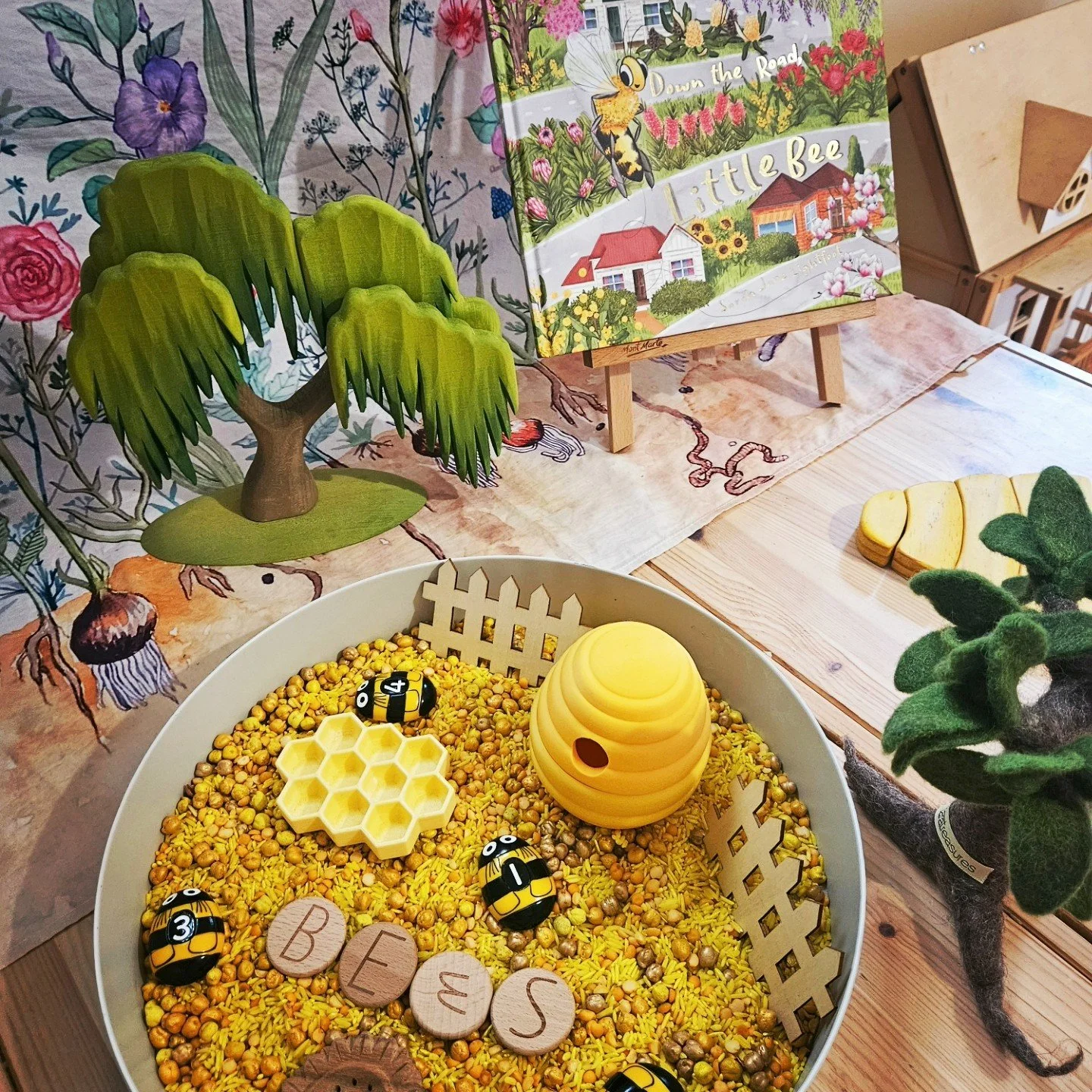
1. Build a Sensory World Inspired by the Story
Sensory play is an easy way to take a story beyond the pages.
Choose something recognisable from the book — perhaps the setting, a character or even a colour — and use it as inspiration for a sensory tray.
For Down the Road Little Bee, for example, you might create a bee-inspired sensory world with flowers, natural loose parts and sensory materials.
The aim isn't to recreate every page. You're simply giving children another way to explore an idea they've discovered through the story.
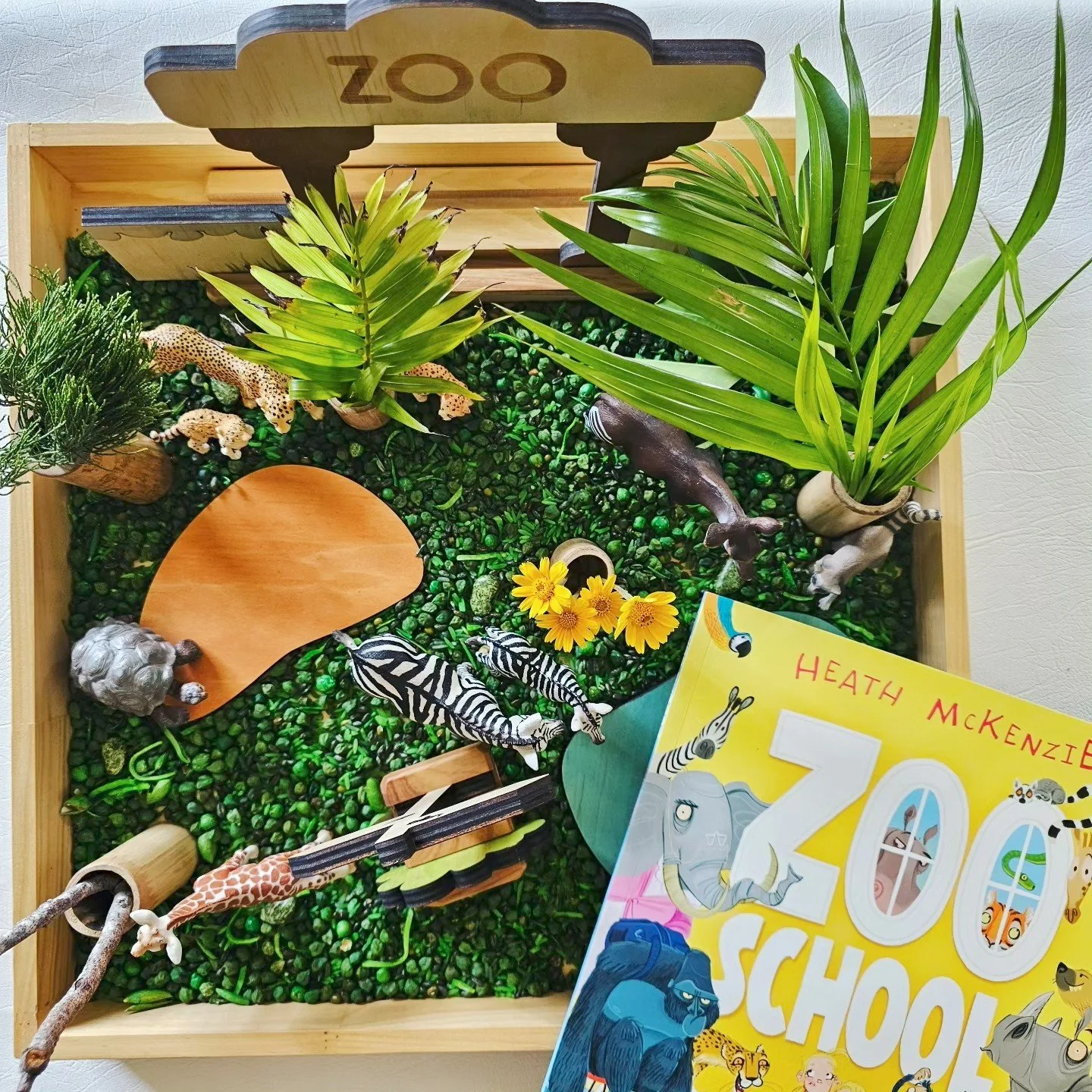
2. Turn the Setting Into Small-World Play
Sometimes the setting is all you need.
A zoo, farm, forest, beach or construction site can easily become a small-world play setup using toys and resources you already have.
With a book like Zoo School, children can build their own zoo, move characters through the space and create stories that have absolutely nothing to do with what happened in the original book.
And that's the point.
The book has provided the starting point. Their imagination gets to decide what happens next.
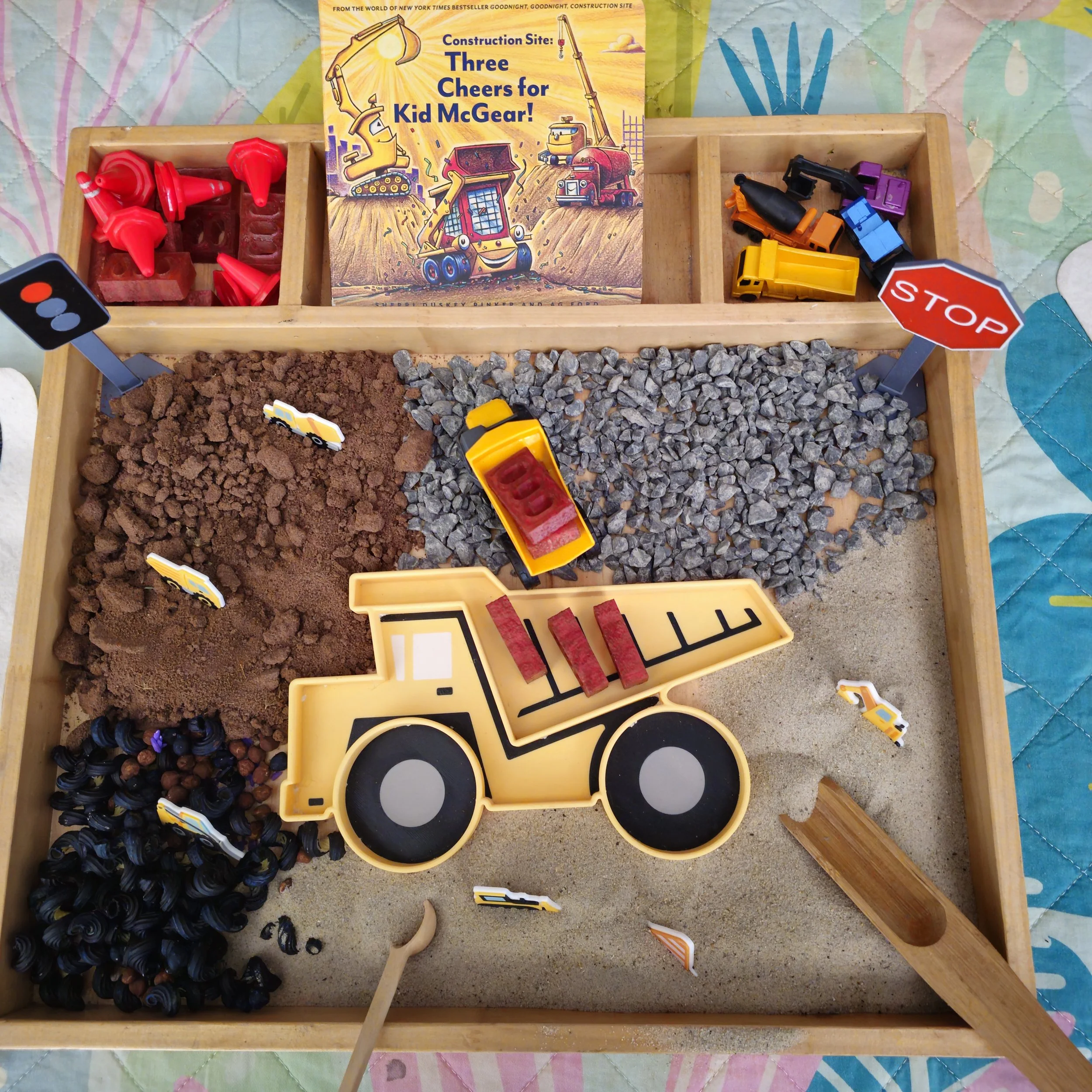
3. Pair Their Current Obsession With a Book About It
Have a child who is currently obsessed with diggers?
Dinosaurs? Bugs? Space? Sharks?
Instead of trying to convince them to be interested in a completely different book, follow the interest that's already there.
Pop a construction book beside their favourite trucks or add a dinosaur book to their dinosaur play.
It makes books part of something they already enjoy rather than a completely separate activity.
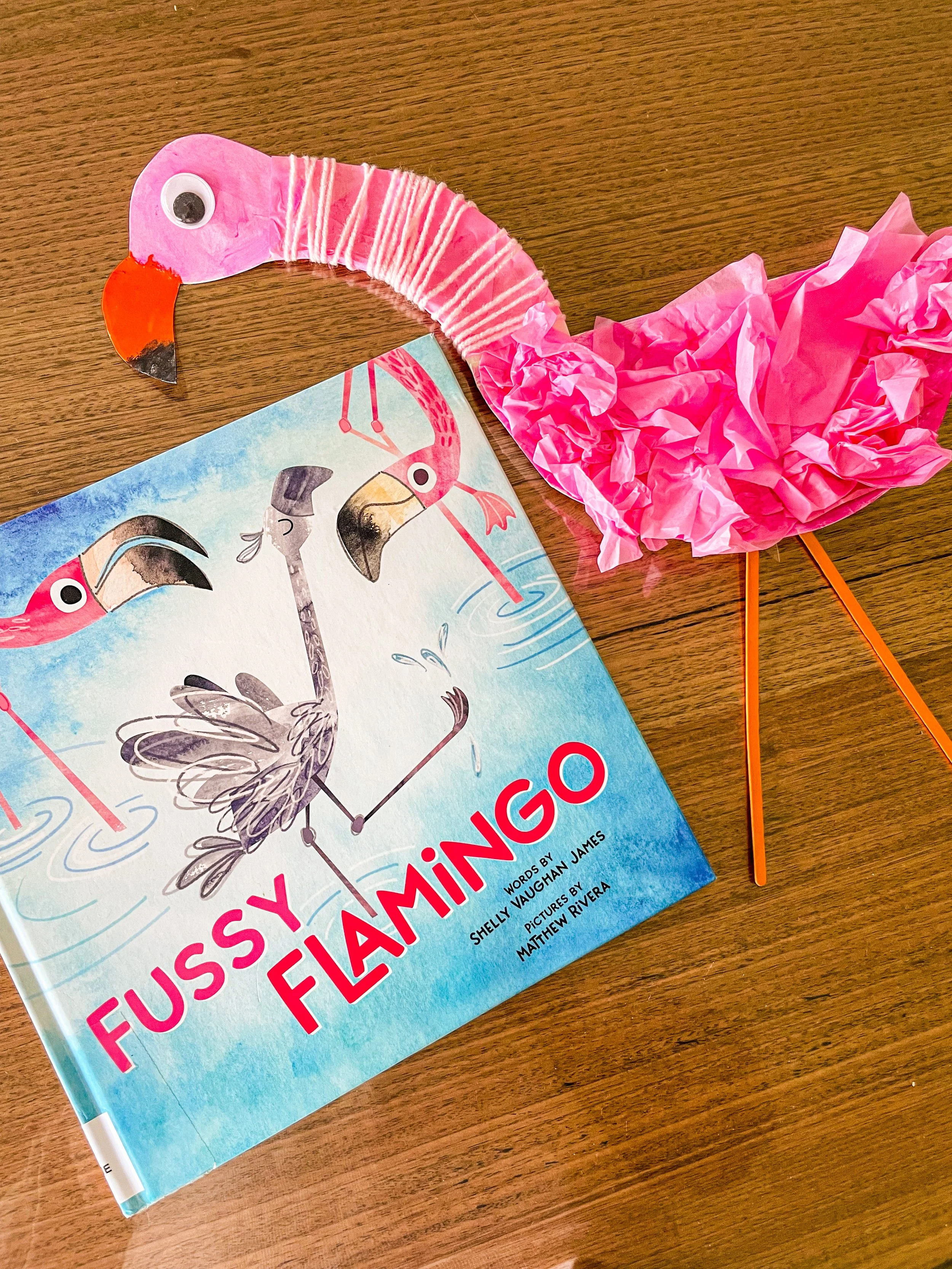
4. Make Something From the Story
Not every book-inspired activity needs an elaborate setup.
Sometimes it can be as simple as making something you've spotted in the story.
After reading Fussy Flamingo, you might create a flamingo using craft supplies, playdough or loose parts.
Children can look back through the book for colours, shapes and details — or create something completely different.
There's no need for everyone's flamingo to look the same.
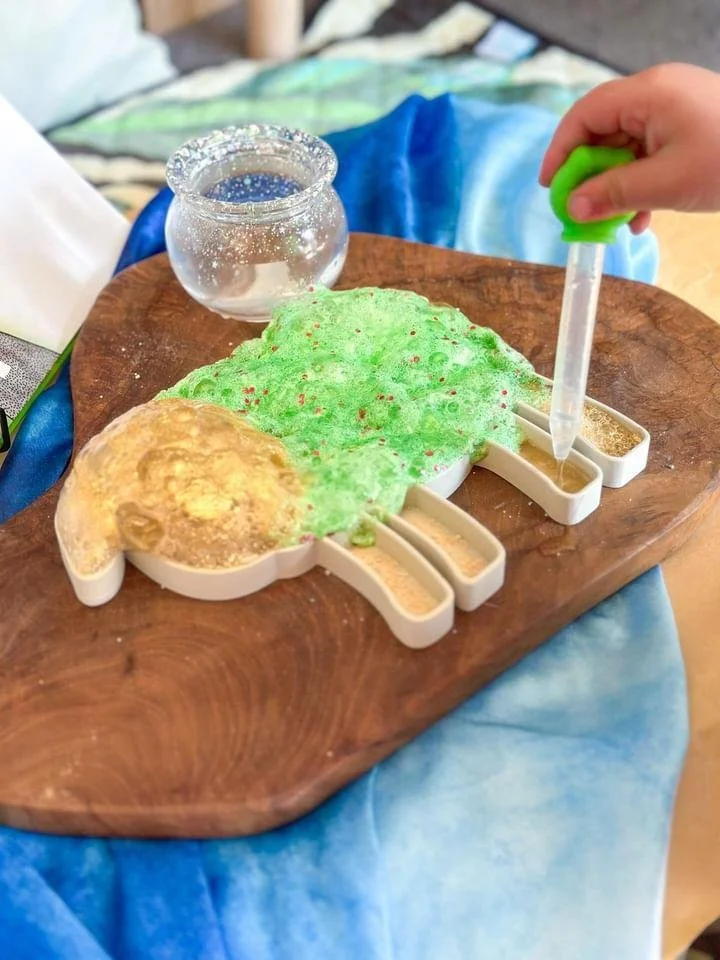
5. Take a Familiar Character Into Different Play
A character doesn't have to stay in their original story.
Take something familiar and introduce it to a completely different kind of play.
Our Where Is the Green Sheep? inspired fizz play, for example, takes a character children recognise and turns it into a bubbling sensory experience.
You could do the same with playdough, water play, painting, blocks or messy play.
That little moment of recognition can be enough to get children interested.
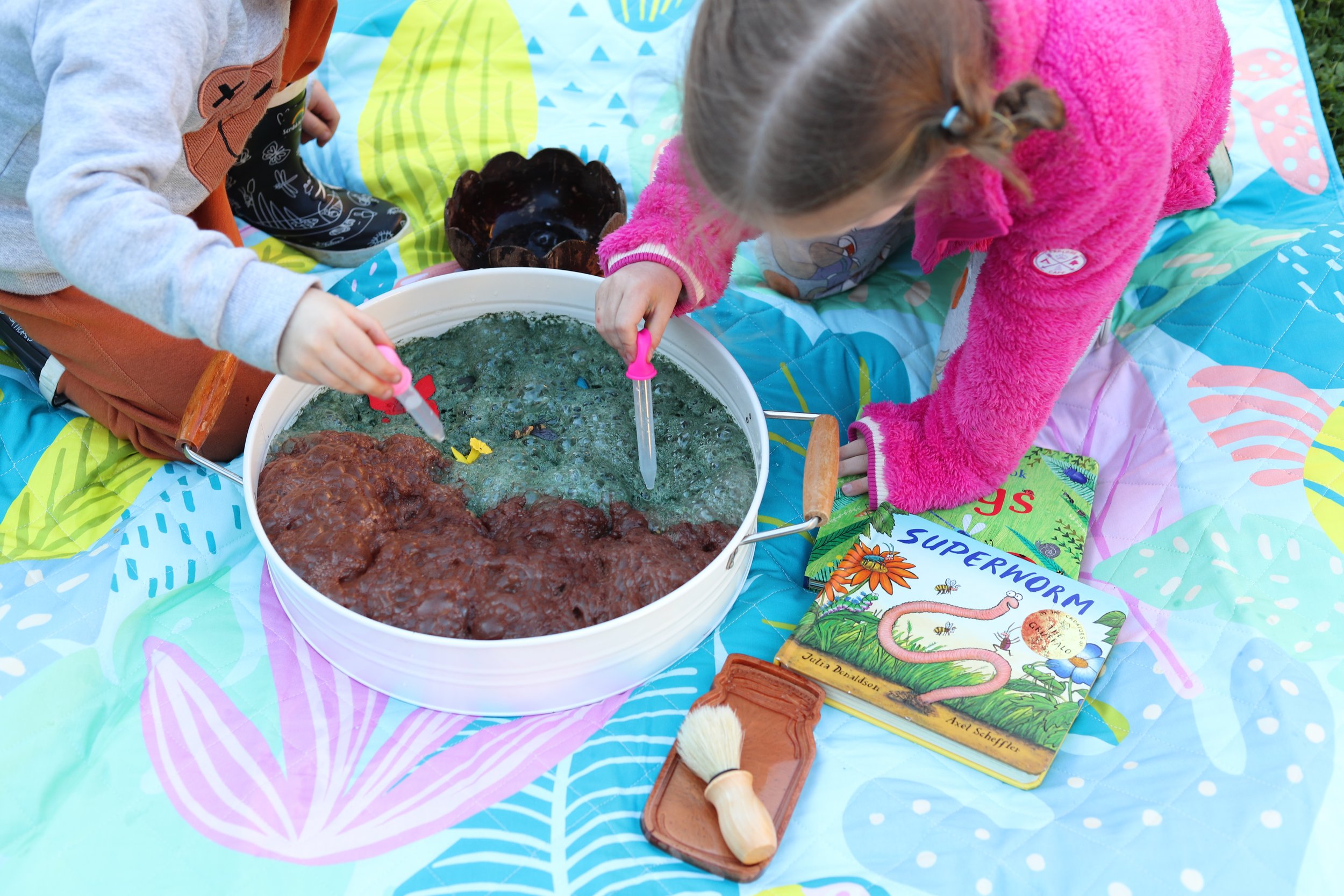
6. Take the Story Outside
Books and nature play work beautifully together.
Take a favourite book into the backyard, park or bush and see what connections you can find.
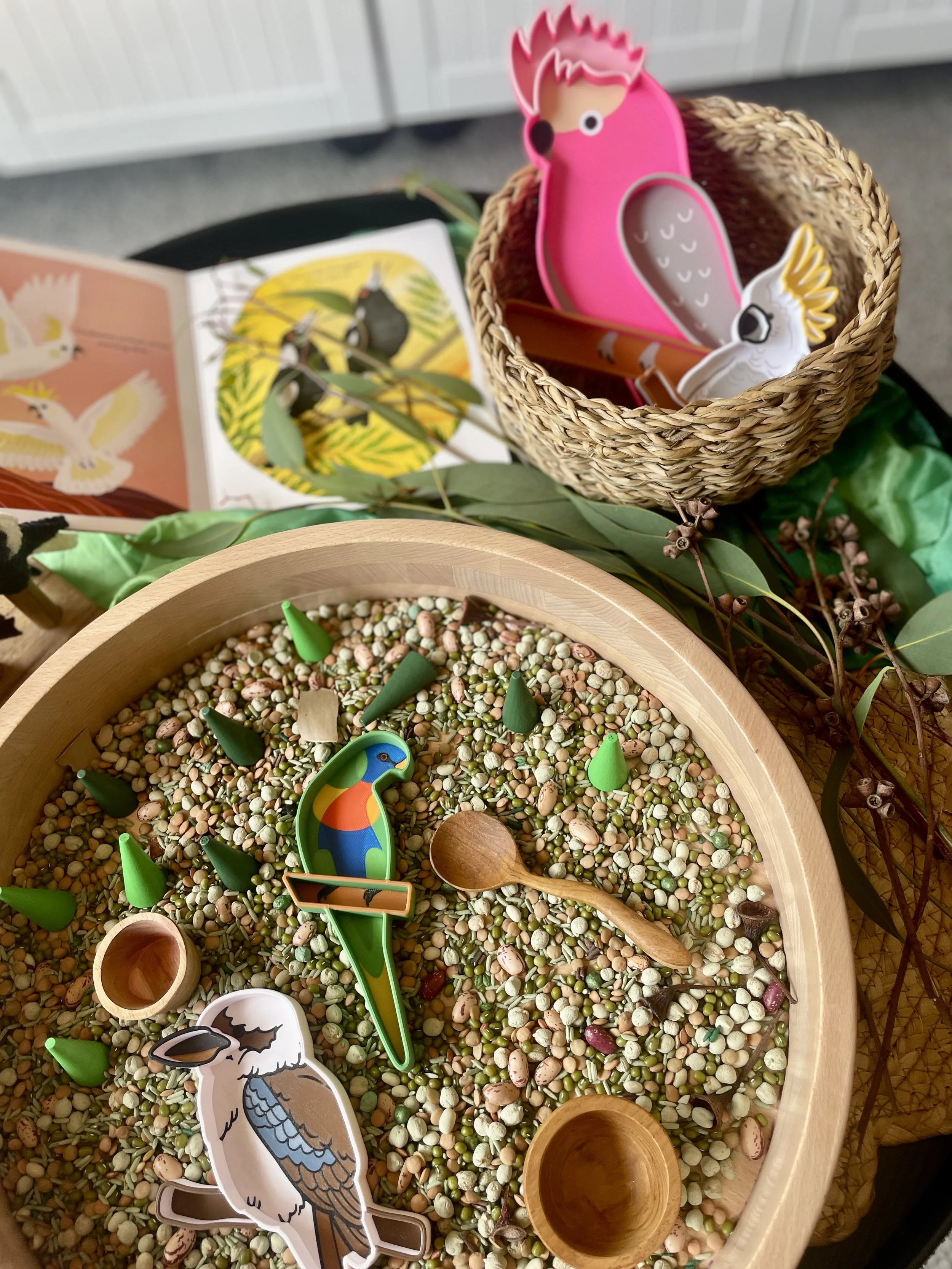
You might search for birds you've seen in an Australian wildlife book, collect natural treasures that match the illustrations or use sticks, leaves and rocks to build somewhere for a character to live.
You don't necessarily need to plan the activity before you leave. Take the book with you and see where it leads.
7. Let the Book Be the Beginning, Not the Whole Activity
This might be the most important one.
Book-inspired play doesn't need to follow the story perfectly.
If your child starts by recreating something from a book and five minutes later the whale is driving a dump truck while a dinosaur makes potions... let it happen.
They're playing.
The book gave them an idea, and they've taken it somewhere completely their own.
That's exactly what open-ended play is supposed to do.
The Best Book-Inspired Play Doesn't Have to Follow the Book
This is probably the most important thing to remember.
There's no right or wrong way for your child to use a book-inspired play setup.
Maybe you've spent an hour creating an incredible small world because setting it up is part of the fun for you. Maybe you've grabbed a book, a handful of toys and a tray five minutes before you need to make dinner.
Both count.
Your child might carefully recreate the story from beginning to end. They might use the characters to invent an entirely new story. Or the activity might head in a direction you never imagined.
Let it.
Our job isn't to decide how the story should continue. We can simply give them interesting things to explore and see where their ideas take them.
So bring the books down from the shelf.
Read them. Play with them. Build their worlds. Dress up. Make things. Take them outside. Get messy.
Let books become part of everyday life rather than something that only comes out at story time.
Because ultimately, we're not trying to keep beautiful books looking beautiful.
We're trying to raise children who want to open them.
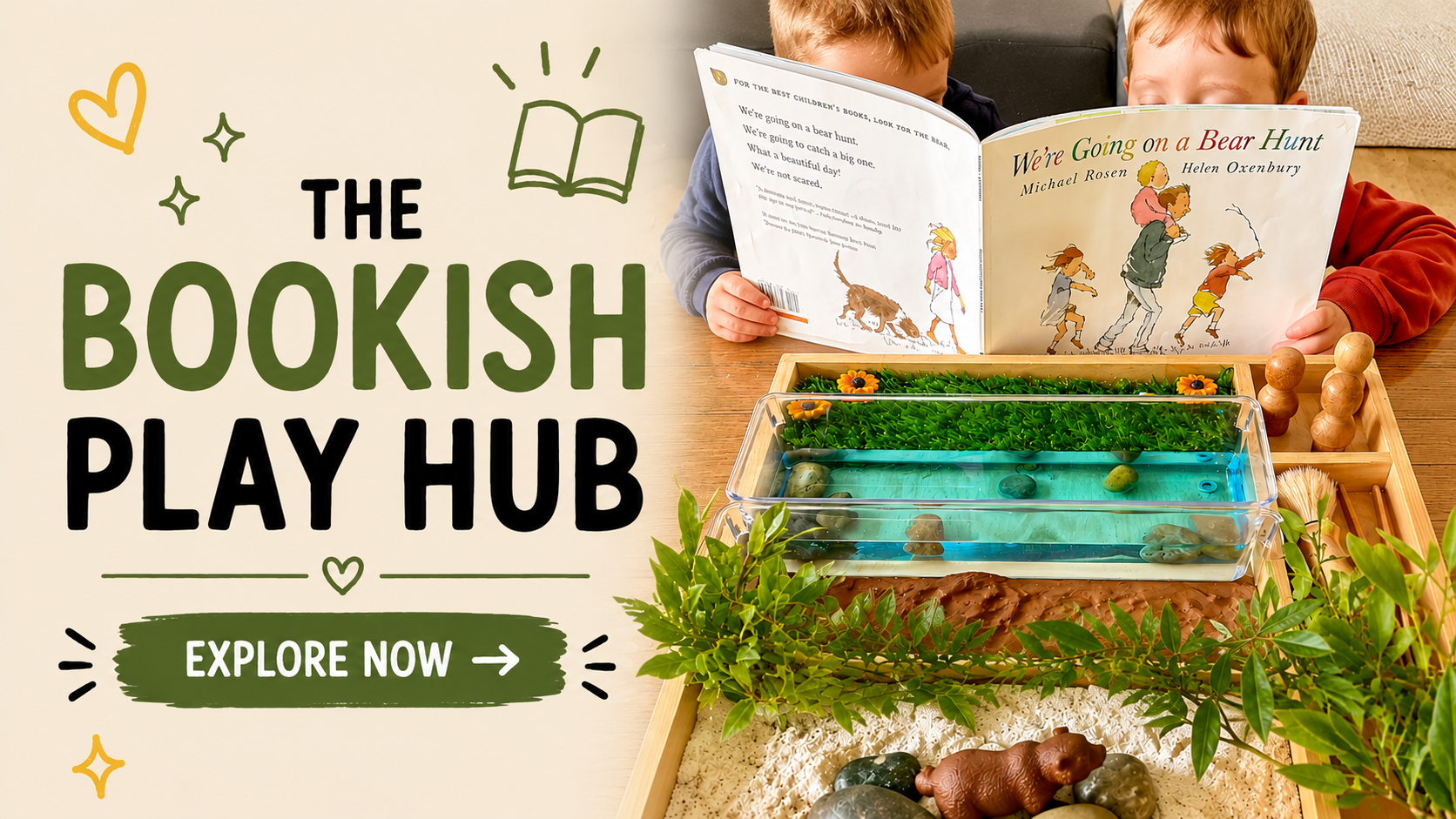
Looking for your next story to bring to life? Explore our Bookish Play Hub for more book-inspired sensory, craft and play ideas.